Monday, 1 November 2010

You turn your back and winter arrives.


Well it seems to be here. A few morning frost have turned the air sharp, brought the leaves down and flattened the grass. There are more leaves on the ground than in the trees and the birds are all in feeding flocks with the winter mind set of searching for food. This time of year, once the fields next to the access track have been ploughed is always the time to listened out for a mournful peep. This means that the golden plowers are passing through. Any bird that is speckled with gold, even in its duller winter plumage's you would think would be easy to see. But when the regular flocks stop off on the freshly turned earthy fields of the Carse they just disappear. It is only their sad 'peeip' calls that give them away and then it can take 10 mins. of searching with binoculars to find them. But it is worth it as they are delightful birds. Seeming to have a quiet and calm character they only become really visible when they lift off in flocks and circle to find fresh ploughed fields to feed on. So if you are down at the car park take a little time to scan the fields and catch up with this invisible visitor from the mountains.
In between the frost has been quite a few dumpings of rain, such that it has been a job to get water proofs dry each night before getting soaking the next day. So I was a bit surprised to find that we only had a very average 113.00mm of rain for October. The middle of the month was dry so most of this must have fallen in the last week or so. The annual total is still looking like it is going to be a dry year and you can tell this on the moss as the water levels in the pools drop quickly if there is a break in the rain so this means that the water table within the peat is not at saturation point. However, there is plenty of time yet this winter and it would only take a really wet month of 200+mm of rain to put the wobble back in the bog.

Tuesday, 26 October 2010

Winter work for summer pleasure


Thornhill primary came down to the Moss today to help us with the wildflower meadow by the car park. For the last few years they have helped us with the raking of the grass and then the planting of the wildlfowers as we work to make what was a plain bit of grass inot a fabulous wildlfower meadow. It was grey and miserable with rain from steady drizzle to bucketting down (good weather for planting, not so good for teachers) but they worked really hard and finished off the grass removal and got all of the flowers planted. It is muddy work (see the pictures) and not much to show for it immediately but come June and July the fruits of their work will be there for all to see. Last year the meadow looked good but with another batch of plants next summer its going to be spectacular. Thank you Thornhill primary.

Monday, 25 October 2010

Avoiding Harry Potter


We had a great day on Sunday cutting birch and making brooms. The bog gods shone on us with a glorious day of clear light, bright sun and blue sky though it were a bit nippy when we were setting up. A steady flow of people, many new to Flanders dropped in to help with the cutting of the birch but the real attraction was Ian who helped the birch cutters turn their cuttings into a broom. Ian who had come from Historic Scotland for the day to help us is a self taught broom maker. Before the event he gave us a list of equipment that he would need which included the thigh bone of a goose. Luckily before any of the geese that live on the smallholding near my home disappeared he clarified this that a piece of bamboo would also do - it is used to help with the binding of the broom. He was busy virtually all day making brooms, having only a few minutes to eat lunch. As people left Flanders most of the brooms clutched in eager hands were to be used for more traditional Halloween witch purposes with only one person going down the Harry Potter route.

Friday, 22 October 2010

Birchsticks and Broommakers


This Sunday there is chance to get out onto the moss to help us with our birch cutting and make something out of what you cut. From 1030am to 4pm we will be down at the visitor car park ready to show people how to get out onto the Moss and cut down some of the small birch. You can cut for as long as you like and as much as you like but when you have a bundle there will be chance to turn it into a Witches broom, just in time for Halloween . The forecast doesn't look too bad, (better than today which was awful) but wrap up warm and wear wellies as after all it is a bog. You can drop in at any time between 1030am and 4pm so if you fancy a bit of exercise, a breath of fresh air and want to entertain the kids (and tire them out) then come on down.
Hope to see you there.

Thursday, 21 October 2010

Bog autumn


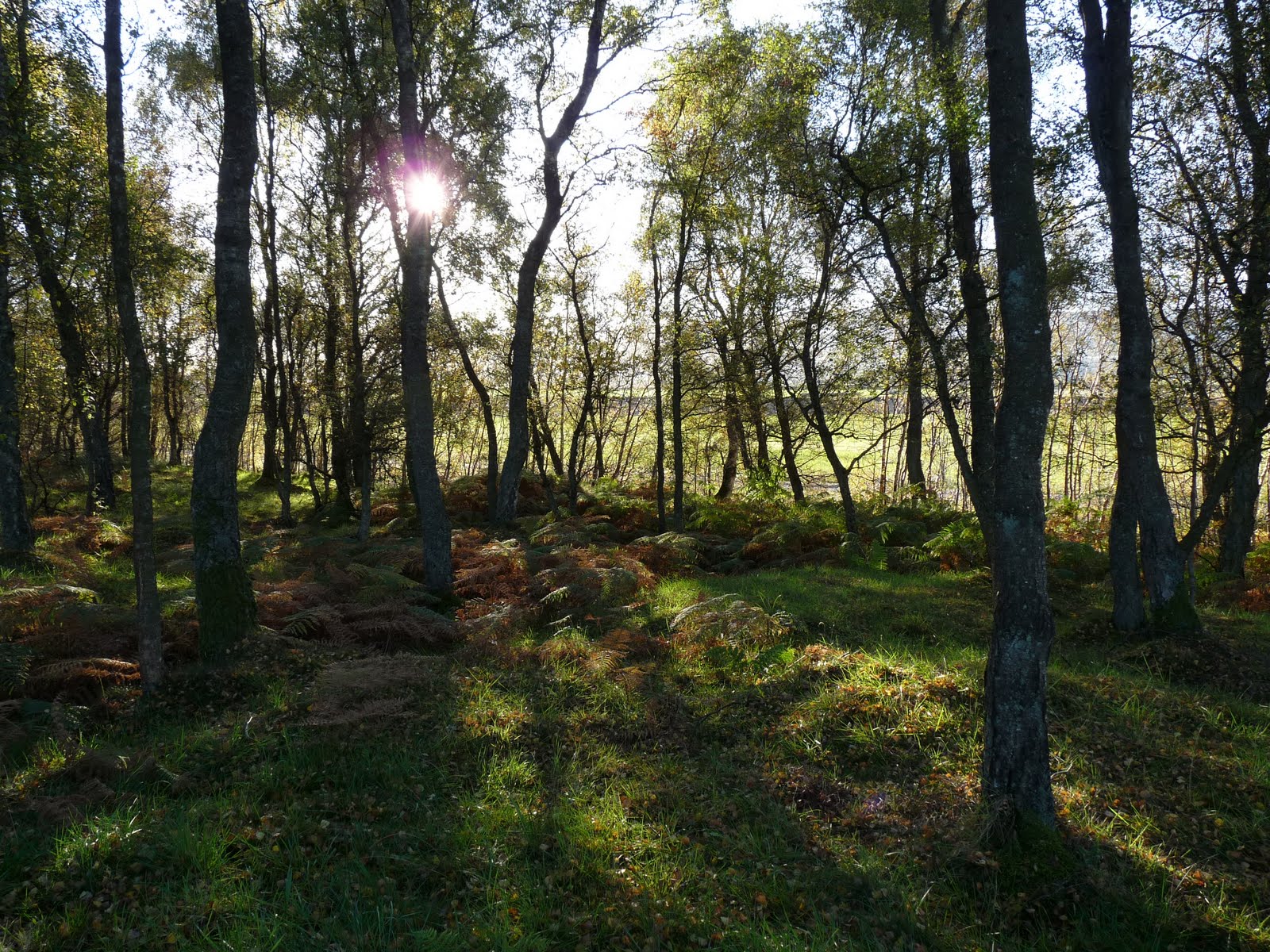
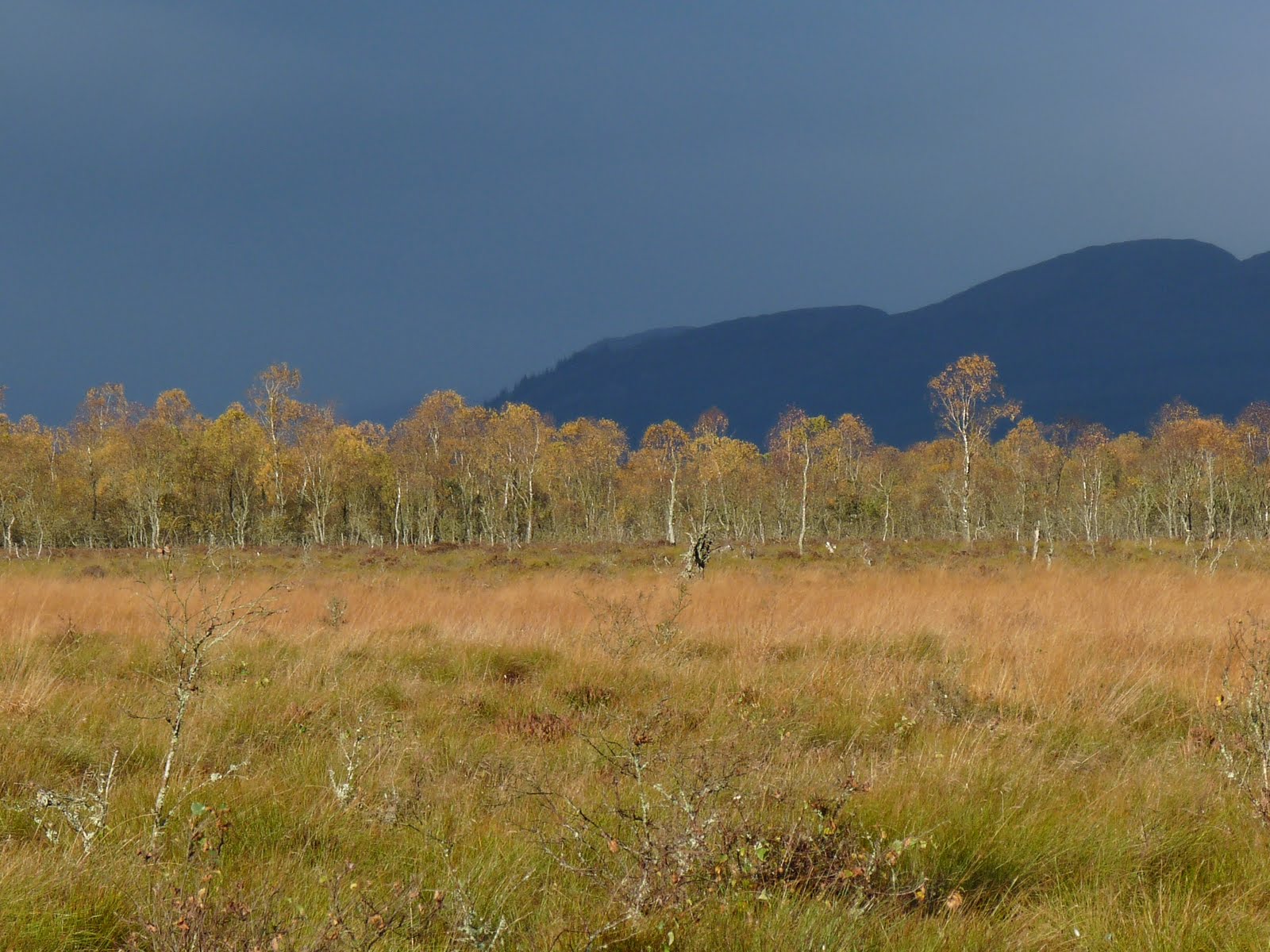
Not much to say, just thought I would put out some pictures of the fabulous colours at Flanders at the moment.

Tuesday, 19 October 2010

Back on hen harrier watch


Well it is that time of year again, time to take part in the national hen harrier winter roost monitoring scheme as at Flanders we are lucky enough to have these fabulous birds wintering on the Moss....sometimes. This survey is done by picking a suitable vantage point to watch over Flanders from half an hour before sunset to half an hour afterwards and count any hen harriers coming onto the site to roost. Previously we used do this on the set Sunday coordinated nationally, once a month but with more demands on our time we have had to stop this Sunday evening activity and do it as close to the set day as part of our normal working week.
So yesterday evening Stephen and I found ourselves on top of the tower hunched in a bitterly cold wind straining our eyes across the Moss to catch a view of a hen harriers. The male birds stand out well being bright white and light grey with black tips to their wings but the female and young birds (called ringtails) are a mottled brown colour like a buzzard and it is only a bright white rump that makes them stand out against the tweedy bog landscape. But trying to spot a white rump a few inches square from a kilometre away is not easier. While we waited for a hen harrier to appear small parties of pinkies and Canada geese kept us entertained. A group of fieldfares freshly arrived from Iceland flittered across the Moss making no sound that would attract a predator looked for a suitable roosting spot in the birches. And the ubiquitous carrion crows kicked up a fuss along the woodland edge beyond the tower, probably just baiting the local buzzard doing a bit of late hunting. A late evening dog walker appeared on the boardwalk head down, iPod on concentrating on doing the circuit. But still no hen harrier. And then it was too dark to see even a a hen harrier landed on the tower so it was back to the car to put the heater on full blast and head for home.
This morning I was out onto the northern edge of the Moss at 0900 with a contractor and one of the first birds I saw was a ringtail being mobbed by some crows. Half an hour later and a gleaming male bird flounced across the Moss surface heading west. So there are actually hen harriers out there but Flanders is such a big site and they do move there roost sites about that maybe the next count we might have to abandon the tower and use a new viewpoint. With this in mind I think of my collegue John Halliday over in Argyll who can do his hen harrier counts from his vehicle, heater on, thermos flask to hand and I am reminded of just how difficult the logistics of doing anything on Flanders is.

Tuesday, 5 October 2010

Mysterious visitor and molluscan seed dispersal


A quick visit to the Moss early on Tuesday morning and a surprise in the viewing tower. There on one of the landings half way up the stairs was a mess. Most people would say bird poo and move on. But it looked not just any old bird poo but an interesting bird poo. Two big white splashes and a round firm blob (see bottom photo). Something had been spending time in the tower, probably roosting over night. My first though was barn owl as I have seen big white splashes like this left by them before. The firm blob was a pellet of hard to digest bits that birds of prey regurgitate after a day of eating. But a close look at the contents of the pellet, just pick them up and crumble like an oxo cube, and I found it was made up mainly of fur and shiny blue, black bits of beetle. Now barn owl do eat furry things but not often beetles so the next thought is a kestrel as they do eat beetles alot. But we won't really now what is using the tower as a night time roosting spot until we get a good look at it but it is still a nice thought that the wildlife are finding it useful.
While whizzing round the path I could see that the colours are changing on a daily basis and the the birches had been letting loose their seeds. Birch seeds are small with big wings so that they can travel a long way. This is why birch trees are so good at colonising new areas. These seeds are usually spread around by the wind but I noticed another method of seed dispersal. There steadily making its way across the path was one of the great big black slugs that patrol the Moss. My daughter always used to call them dog poo slugs due to the fact that they were often found in close proximity to the aforementioned substance, plus the big ones are nearly that size. Anyway there stuck to this slugs back was a birch seed being gently carried off to another part of the moss to maybe be another birch tree. I wonder how it will get on....and the slug.